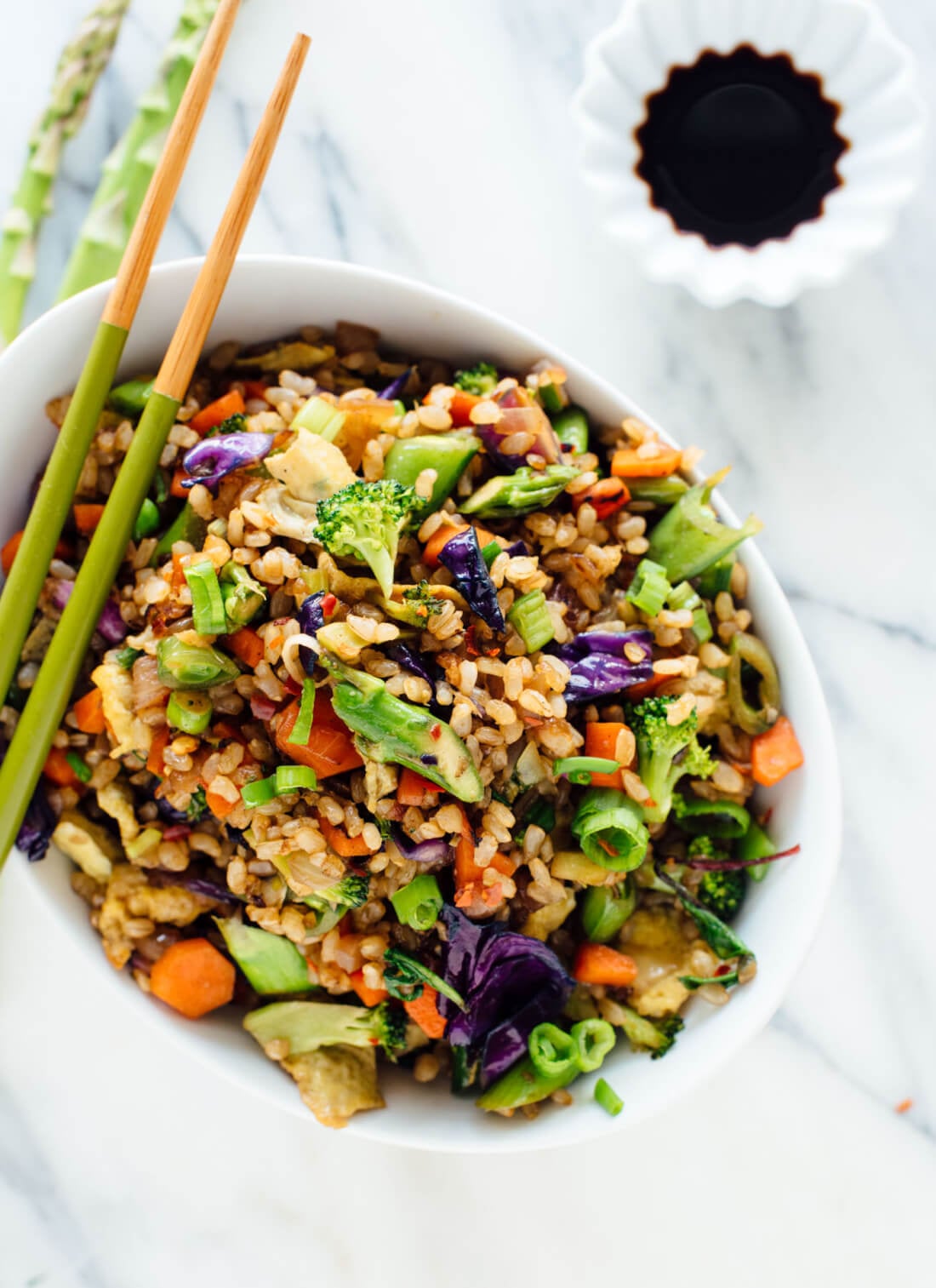
Discover the Ultimate Weeknight Delight: Homemade Vegetarian Fried Rice
In the whirlwind of busy schedules and the eternal quest for a satisfying, healthy, and quick dinner, vegetarian fried rice emerges as a true culinary hero. Forget the long waits and sometimes questionable ingredients of takeout; this homemade rendition is not only incredibly easy to prepare but also bursts with fresh flavors that truly make it better than takeout. It’s a dish that transforms simple pantry staples and yesterday's leftovers into a vibrant, soul-warming meal, proving that convenience doesn't have to compromise on taste or quality.
For many, fried rice holds a special place in their hearts, a nostalgic treat from local Chinese restaurants. While those memories are cherished, the ability to recreate that magic – and even surpass it – in your own kitchen is incredibly empowering. This versatile recipe is a perfect testament to flexibility, adapting effortlessly to whatever vegetables you have on hand, whether fresh from the market or a forgotten bag of frozen mixed greens. It’s the kind of dinner you can whip up when you have no grand plan, yet still crave something deeply satisfying and nourishing.
Why Vegetarian Fried Rice Reigns Supreme: Beyond the Takeout Carton
The allure of vegetarian fried rice extends far beyond its delicious taste and speedy preparation. Opting for a homemade version unlocks a myriad of benefits that elevate it above its takeout counterpart:
- Unparalleled Freshness and Flavor Control: When you make it at home, you dictate the quality of every ingredient. Use crisp, organic vegetables, choose low-sodium soy sauce, and control the amount of oil, ensuring a fresher, lighter, and more vibrant flavor profile than often found in commercial versions.
- Ingredient Flexibility and Waste Reduction: This recipe is a masterclass in using up what you have. Those odds and ends of bell peppers, a handful of wilting spinach, a stray carrot, or even a half-empty bag of frozen peas – all find a welcome home in your fried rice. It’s an ingenious way to reduce food waste and save money.
- Healthier Choices, Tailored to You: Homemade means you can pack in an abundance of vegetables, making it a nutrient-dense meal. You can also opt for healthier rice varieties like brown rice for added fiber, or boost protein with tofu, edamame, or eggs (if you're an egg-vegetarian). The ability to customize sodium and fat content is a huge advantage for health-conscious diners.
- Cost-Effective Dining: Dining out, even for something as seemingly simple as fried rice, can add up quickly. Crafting your own at home from economical ingredients like leftover rice and affordable vegetables is significantly lighter on your wallet.
- Speed and Simplicity: Once your ingredients are prepped, this dish comes together in mere minutes. It's truly a "faster than delivery" option, perfect for those evenings when hunger strikes but time is short.
The Secret to Perfect Fried Rice: Ingredients & Prepping for Success
While the beauty of vegetarian fried rice lies in its flexibility, there are a few foundational elements and preparation tips that guarantee a truly stellar outcome. Think of these as your building blocks for perfection.
The Golden Rule of Rice: Day-Old and Dried
This is arguably the most crucial tip for achieving that desirable fluffy, distinct grain texture rather than a mushy mess. Day-old, cold rice is non-negotiable for authentic fried rice. Here’s why:
- Reduced Moisture: Freshly cooked rice is full of moisture, which turns to steam when stir-fried, making the grains sticky and clumpy. Day-old rice, having spent time in the refrigerator, dries out significantly, allowing the grains to separate beautifully and absorb flavors more effectively.
- Optimal Texture: The chilled rice also holds its shape better under high heat, giving you that perfect slightly chewy, slightly crispy texture.
What if you only have fresh rice? Don't despair! Spread your freshly cooked rice thinly on a baking sheet and pop it into the fridge or even the freezer for 10-15 minutes. This quick chill and air exposure will help dry it out enough for successful stir-frying.
Best Rice Types: Long-grain white rice, especially Jasmine rice, is the gold standard. Its delicate aroma and ability to stay fluffy and separate make it ideal. While possible, short-grain or medium-grain rice can be stickier, and brown rice, though healthier, will yield a chewier, less traditionally "fried rice" texture.
The Dynamic Duo of Vegetables: Fresh and Frozen
This is where your creativity shines! A good mix of colors and textures makes your vegetarian fried rice not just appealing but also nutritionally rich. Some popular choices include:
- Carrots (diced small)
- Peas and Corn (frozen work wonderfully, no need to thaw)
- Bell Peppers (any color, finely diced)
- Broccoli florets (small)
- Mushrooms (sliced)
- Chopped Cabbage or Napa Cabbage
- Spinach or Kale (added at the very end)
- Green Onions (for garnish and early sautéing)
Remember, harder vegetables like carrots and broccoli should be added first to ensure they cook through, while softer ones like spinach or pre-cooked frozen peas can go in later.
The Flavor Foundation: Aromatics and Sauce
These are the heart and soul of your fried rice:
- Garlic & Ginger: Freshly minced is best for a vibrant aroma and pungent flavor.
- Soy Sauce: The essential savory base. Consider low-sodium options to control saltiness.
- Sesame Oil: Added at the very end, its distinctive nutty aroma elevates the dish.
- Optional Enhancements: A splash of rice vinegar for brightness, a teaspoon of sugar to balance savory notes, a pinch of white pepper, or even a vegetarian "oyster" sauce for added umami depth.
Protein Power-Ups (Optional for Strict Vegans)
To make your fried rice a more complete meal, consider adding:
- Scrambled Eggs: If you're an egg-vegetarian, quickly scrambling an egg in the pan before adding other ingredients, then breaking it up and mixing it in, is a classic addition.
- Tofu: Press extra-firm tofu, cube it, and pan-fry until golden before adding to the rice, or crumble it for a "minced meat" texture.
- Edamame: Adds a pop of color and protein.
- Cashews or Peanuts: For a delightful crunch and healthy fats.
Crafting Your Masterpiece: Step-by-Step for a Flavorful Meal
The beauty of homemade vegetarian fried rice lies in its straightforward, one-pan method. The key to success is mise en place – having all your ingredients prepped and ready before you even turn on the stove.
The Essential Tool: Wok or Skillet?
While a wok is traditional for stir-frying due to its high heat retention, sloped sides for easy tossing, and wide surface area, a large, heavy-bottomed skillet or non-stick frying pan works absolutely perfectly. Just ensure it’s spacious enough to handle all your ingredients without overcrowding, which can lead to steaming instead of frying.
The Simple Steps to Deliciousness:
- Prep Everything: Dice all your vegetables, mince your garlic and ginger, measure out your soy sauce and other seasonings, and have your cold, day-old rice ready. If using tofu, have it pressed and cubed.
- Heat Your Pan: Place your wok or large skillet over high heat. Add a tablespoon or two of a high smoke point oil (like canola, vegetable, or peanut oil). Let it get shimmering hot.
- Sauté Aromatics and Harder Veggies: Add your minced garlic and ginger, stir-frying for about 30 seconds until fragrant. Immediately add your harder vegetables (carrots, bell peppers, broccoli) and stir-fry for 2-3 minutes until slightly tender-crisp.
- Introduce Proteins and Softer Veggies: If using scrambled egg, push vegetables to one side, pour in beaten egg, scramble quickly, then break up and mix with veggies. Add any other proteins (tofu, edamame) and softer vegetables (peas, corn, mushrooms) and stir-fry for another 1-2 minutes.
- Add the Rice: Introduce your cold rice into the pan. Break up any clumps with your spatula. Continue to stir-fry, pressing the rice against the hot surface of the pan, allowing it to heat through and develop a slight toastiness for 3-5 minutes.
- Season and Finish: Pour your soy sauce mixture evenly over the rice. Toss continuously until the sauce is fully absorbed and the rice is uniformly colored. Remove from heat, drizzle with sesame oil, and stir in chopped green onions.
Tips & Tricks for Next-Level Vegetarian Fried Rice
Elevate your vegetarian fried rice from good to absolutely amazing with these additional insights:
- High Heat is Non-Negotiable: Stir-frying demands high heat. This ensures that ingredients sear quickly, developing flavor and preventing them from becoming soggy. If your pan isn't hot enough, you'll steam the ingredients rather than fry them.
- Don't Overcrowd the Pan: This is a common mistake. If you have too many ingredients in the pan, the temperature drops, leading to steamed, rather than stir-fried, vegetables and rice. If cooking for a crowd, cook in batches.
- Season in Layers: While the main sauce goes in with the rice, don't be afraid to season your vegetables with a pinch of salt and pepper as they cook. This builds flavor depth.
- Taste and Adjust: Always taste your fried rice before serving. Does it need more salt (soy sauce), a touch of sweetness, or a dash of heat? A pinch of sugar can surprisingly enhance the overall savory profile.
- Garnish for Impact: A sprinkle of fresh green onions, cilantro, toasted sesame seeds, or a drizzle of sriracha chili sauce (if you like heat) not only adds visual appeal but also fresh layers of flavor and texture. A squeeze of lime or lemon juice can also add a bright finish.
- Experiment with Flavors: Don't be afraid to venture beyond traditional soy sauce. Try adding a dash of rice wine, a spoon of chili garlic sauce for a kick, or even a dollop of miso paste for a unique umami boost.
Conclusion
Homemade vegetarian fried rice is more than just a meal; it's a testament to culinary resourcefulness, a celebration of fresh flavors, and a guaranteed crowd-pleaser that truly outshines its takeout inspiration. With its incredible versatility, lightning-fast preparation, and endless customization options, it’s destined to become a staple in your weeknight dinner rotation. So, next time you find yourself with leftover rice and a fridge full of veggies, embrace the simple joy of creating your own delicious, plant-based fried rice – a dish that's not only incredibly satisfying but also an expression of your unique culinary creativity.
Happy cooking!
